 EN
EN

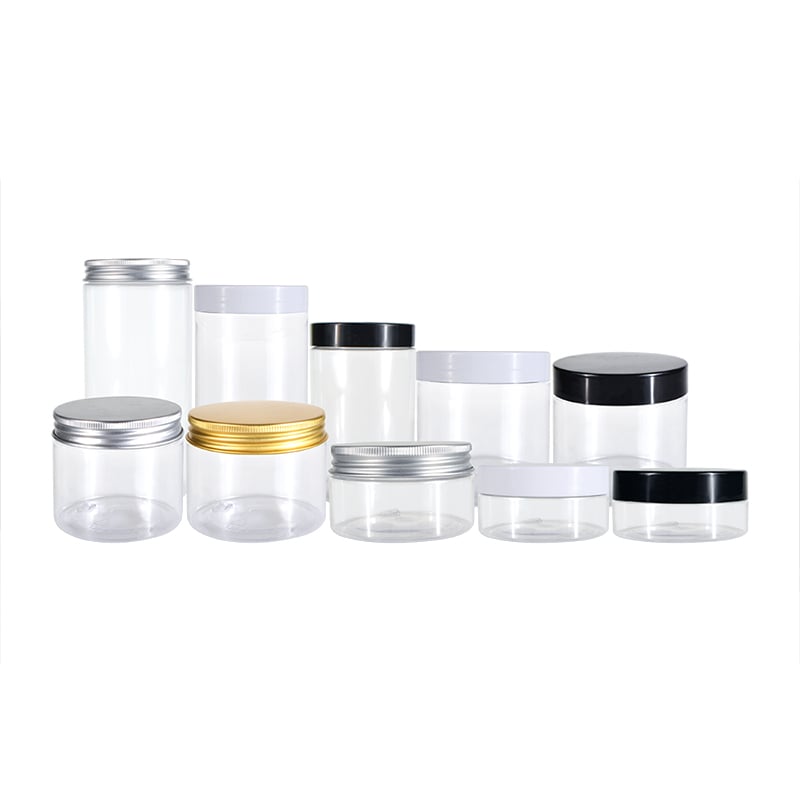
When it comes to cosmetics, the containers we use are very important. Two popular types of jars are PET and PP. Both of these materials are used for packaging creams, lotions, and other beauty products. Weinuo, a company that makes these jars, knows how important it is to choose the right one. This article will help you understand the differences between PET and PP cosmetic jars, and which products each type is best for.
What Are the Key Differences Between PET and PP Cosmetic Jars?
PET stands for polyethylene terephthalate, while PP is short for polypropylene. They are both types of plastic but have different properties. PET jars are often clear and shiny, making them look nice on store shelves. They are also strong and resistant to impact, which is good for keeping products safe. On the other hand, PP jars are usually more opaque. This means they can protect the contents from light, which is great for products that may spoil with too much exposure. Another difference is that PET is better for recycling compared to PP. Some people prefer PET jars because they can be reused or recycled more easily, which helps the environment. However, PP jars are known to be flexible and can handle heat better, which is important for certain products. So, if you have a cream that needs to stay warm, a PP cosmetic jar might be the better choice. Both types of jars have their pros and cons, and it’s important to pick the right one based on what you need.
What Makes PET and PP Cosmetic Jars Ideal for Specific Products?
Different beauty products require different types of jars. For example, if you have a thick cream that you want to keep fresh for a long time, a PET jar is a good choice. The strong, clear material helps you see how much is left while keeping the cream safe from air. This is especially useful for moisturizers or serums. On the flip side, if you are packaging a lotion that might get warm, a PP jar would work better. The heat-resistant nature of polypropylene helps prevent the lotion from changing its texture or quality.
Moreover, when it comes to branding, the look of the jar matters a lot. PET jars are often chosen for products that want to appear upscale because they look shiny and high-end. Many companies, like Weinuo, focus on making jars that not only protect the product but also attract customers. In contrast, PP jars can be printed on easily, which is perfect for brands that want to include colorful designs or logos.
In the end, whether you choose PET or PP jars, each has special features that can enhance your product. It’s all about knowing what you want for your cosmetics and how the packaging can help achieve that.
What Are the Common Usage Issues with PET and PP Cosmetic Jars?
When we talk about PET and PP cosmetic jars, it’s important to understand what they are and how they can be used. PET stands for polyethylene Terephthalate, while PP stands for polypropylene. Both types of jars are popular for storing creams, lotions, and other beauty products. However, they can have some issues that users should know about.
One common problem with PET jars is that they can be less resistant to heat. If a PET jar is left in a hot place, like a car on a sunny day, the jar could warp or change shape. This might not only ruin the jar but can also affect the product inside. On the other hand, PP jars are generally better at handling heat. They are more likely to keep their shape even when it gets warm. But, a downside of PP jars is that they can be less clear than PET jars. This means customers cannot see the product inside very well, which can be a problem for brands that want their customers to see the beautiful colors and textures of their creams or lotions.
Another issue is that PET jars can sometimes be prone to scratches. If you drop a PET jar or if it gets knocked around in a bag, it can get scratched easily. This can make the jar look old and unattractive, which is not good for a brand’s image. On the flip side, PP cosmetic jars are tougher and less likely to scratch. However, they can also be more difficult to recycle compared to PET jars. Many people want to use eco-friendly packaging, and while both types can be recycled, PET is often more accepted in recycling programs. Therefore, when choosing between PET and PP jars, companies like Weinuo need to consider these common usage issues to make the best choice for their products and customers.
How to Maximize Your Brand’s Appeal with PET or PP Cosmetic Jars
Maximizing your brand’s appeal is very important, especially when it comes to cosmetic jars. Customers often choose products based on how the packaging looks, so it is essential to make a good impression. Both PET and PP jars have unique qualities that can help a brand stand out. Weinuo can use these features to attract more customers.
For PET jars, one of the best ways to enhance your brand’s appeal is by focusing on the design. PET jars can be made in various shapes and sizes, which allows for creativity. Brands can choose bright colors or unique shapes that match their products. For example, a brand that sells a fun, fruity lotion might choose a colorful PET jar with a playful design. This can catch the eye of potential customers and encourage them to pick it up. Additionally, since PET jars are clear, brands can showcase their product inside. Customers love to see what they are buying, and a clear jar can help customers feel more confident about their purchase.
On the other hand, PP jars can also be made appealing in different ways. Since these jars are more durable, brands can focus on creating a premium look. A simple, elegant design can make a PP jar look more high-end, which can attract customers looking for luxury products. Brands can also play with the texture of the jar. A matte finish can feel more sophisticated compared to a shiny one. Moreover, since PP jars are available in various colors, brands can choose shades that reflect their brand identity. This can help create a strong brand image that customers will remember.
Overall, whether a brand chooses PET or PP jars, the key is to focus on design, color, and how the jar represents the brand. By thinking carefully about these factors, Weinuo can maximize its appeal to customers and help its products stand out in a crowded market.
How to Determine the Right Cosmetic Jar Material for Your Business Needs
Choosing the right cosmetic jar material is a big decision for any business. For Weinuo, understanding the differences between PET and PP jars will help in making the best choice for their products and customers. Here are some important points to consider.
First, think about the type of product you are selling. If the product is something that needs to stay fresh, like a cream or lotion, PET jars can be a great choice. They are excellent at keeping products safe and secure. They also have a good barrier against moisture and air, which helps keep the product effective for a longer time. However, if your product is something that might be used in hotter temperatures, like a sunscreen, PP plastic jar may be better. They can handle heat better than PET, so they are less likely to change shape or break down in warmer conditions.
Next, consider the look and feel you want for your brand. If you want your products to look bright and eye-catching, PET jars are often clear and can show off the product inside. This can make your product more attractive to customers. But if you want a more premium look, PP jars can give a sophisticated feel. They can come in different colors and textures, allowing for a unique brand identity.
Finally, think about the environment. Many customers care about the planet and want to buy products that are eco-friendly. PET jars are often more widely accepted in recycling programs compared to PP jars. If your brand is focused on being green, choosing PET might be the better option. However, both materials have their pros and cons, so it’s essential to weigh these factors carefully.
Table of Contents
- What Are the Key Differences Between PET and PP Cosmetic Jars?
- What Makes PET and PP Cosmetic Jars Ideal for Specific Products?
- What Are the Common Usage Issues with PET and PP Cosmetic Jars?
- How to Maximize Your Brand’s Appeal with PET or PP Cosmetic Jars
- How to Determine the Right Cosmetic Jar Material for Your Business Needs