 EN
EN

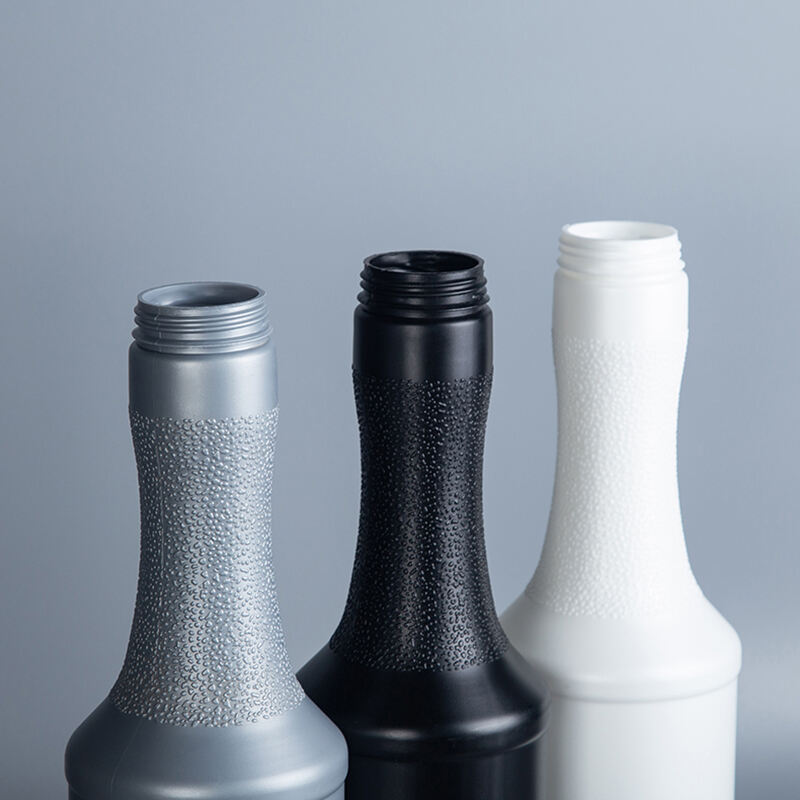
When you think about HDPE bottles, you might wonder what liquids can go inside them. HDPE stands for High-Density Polyethylene, which is a type of plastic that is strong and safe for many uses. Weinuo makes HDPE bottles that are perfect for holding different liquids. But not all liquids are the same. Some work well with HDPE bottles, while others might cause problems. Knowing which liquids are safe to use can help you make better choices for your products. This article answers some common questions about what liquids you can store in HDPE bottles and where to find good information on this topic.
What Liquids Are Compatible with HDPE Bottles for Wholesale Use?
HDPE bottles are very versatile, meaning they can hold many types of liquids. For example, you can use them for water, juice, and even some cleaning products. They are great for holding products like shampoo or conditioner too. This is because HDPE is resistant to many chemicals. However, you have to be careful with certain liquids. Strong acids or solvents, like bleach or paint thinner, can break down the plastic and make it unsafe. If you are looking to store food products, HDPE is a good choice for things like cooking oils and sauces. Always check with your supplier to see if your specific liquid is safe, especially if you are buying in bulk. You want to make sure that the bottles won’t leak or cause any harm to the liquids inside. It's also important to think about temperature. Some liquids may be fine at room temperature but could cause problems if they are heated. For example, if you want to store something hot, it might not be a good idea to use an HDPE bottles. It is always wise to do a little research or ask someone who knows about bottle compatibility to ensure your liquids will be safe in HDPE containers.
Where to Find Reliable Information on HDPE Bottle Compatibility
Finding trustworthy information about HDPE bottle compatibility is important for anyone using or selling these bottles. One great place to start is the manufacturer's website, like Weinuo. They often provide detailed information about what liquids their bottles can hold. Look for a section on their site that talks about product specifications or safety information. Another good source is industry groups that focus on manufacturing and safety standards. These groups often publish guidelines that help you understand compatibility. You can also check forums where people discuss their experiences with different products. Sometimes, other users share what worked for them and what didn't. However, be cautious, as not all information online is accurate. If you are in doubt, reaching out to the manufacturer directly can give you clear answers. They have the most knowledge about their products and can help you make the right choice. Remember, using the right information means you can safely store liquids in your HDPE bottles without worrying about leaks or chemical reactions. Sharing this knowledge with your friends or customers can also help them make better choices. Always keep learning and asking questions!
How to Choose the Right HDPE Bottles for Different Liquids
When you are choosing HDPE (High-Density Polyethylene) bottles for your liquids, it’s important to pick the right ones. HDPE bottles are strong and safe for many types of liquids, but not all liquids are the same. Some liquids can react badly with certain types of plastic. That’s why you need to know how to choose the right HDPE bottles for your products. First, think about what kind of liquid you want to put inside the bottle. Is it a food product, like juice or oil? Or is it a cleaning product, like bleach or detergent? Different liquids can affect the plastic in different ways. For example, some strong chemicals can break down plastic over time. At Weinuo, we recommend looking for HDPE bottles that are made specifically for the type of liquid you want to use. You should also check the bottle’s label or information to see if it says it is safe for your liquid. Another thing to consider is the temperature of the liquid. Some liquids can be hot, and not every bottle can handle heat well. If your liquid is hot, make sure to choose an HDPE dropper bottle that can take high temperatures. Finally, you should think about how long you plan to store the liquid in the bottle. If it will be stored for a long time, you need to be extra careful about compatibility. By considering these factors, you can choose the right HDPE bottles that will keep your liquids safe and fresh.
Where to Source HDPE Bottles That Meet Compatibility Standards
Once you know what kind of HDPE bottles you need, the next step is to find where to get them. It’s important to source HDPE bottles that meet compatibility standards. This means the bottles should be safe and suitable for the liquids you want to use. A good place to start is by looking for suppliers that specialize in HDPE bottles. Many companies focus on making bottles just for different types of liquids. At Weinuo, we offer a range of HDPE bottles that are designed for various uses. You can check our catalog to find the right option for your needs. When looking for a supplier, it’s important to read reviews and see what other customers say about their products. This can give you an idea of how well the bottles work with different liquids. You should also ask suppliers if they have testing methods to ensure their bottles are compatible with your liquids. This is a good sign that they care about quality and safety. Another tip is to contact the supplier directly. Ask them questions about the materials used in their HDPE bottles and if they have certificates showing the bottles meet safety standards. By taking these steps, you can find reliable sources for HDPE bottles that are perfect for your liquid products.
How to Test Liquid Compatibility with HDPE Bottles Effectively
Testing the compatibility of your liquids with HDPE bottles is a crucial step before you start using them. It helps ensure that your liquids stay safe and do not cause any problems. To test liquid compatibility effectively, start by conducting a small test. Pour a small amount of your liquid into the HDPE bottle and seal it tightly. Then, let it sit for a period of time, like a few days or even a week. Check the bottle for any changes. Look for signs like swelling, discoloration, or any strange smells. At Weinuo, we recommend using a controlled environment for these tests, like a cool, dry place. This helps make sure the results are accurate. If the bottle looks fine after your test period, it’s a good sign that the liquid is compatible with the HDPE material. If you notice any issues, it’s best not to use that type of bottle for your liquid. Another way to test compatibility is to review existing data and research on the specific liquid and HDPE interaction. Many suppliers provide compatibility charts that can help you understand how different liquids react with HDPE. You can also consult with experts or chemists who have experience with similar products. They can give you valuable advice on what to look for. Remember, testing is an important step in ensuring safety and quality for your products. By taking the time to test your liquids with HDPE bottles, you can make sure you’re using the right containers for your needs.
Table of Contents
- What Liquids Are Compatible with HDPE Bottles for Wholesale Use?
- Where to Find Reliable Information on HDPE Bottle Compatibility
- How to Choose the Right HDPE Bottles for Different Liquids
- Where to Source HDPE Bottles That Meet Compatibility Standards
- How to Test Liquid Compatibility with HDPE Bottles Effectively