 EN
EN

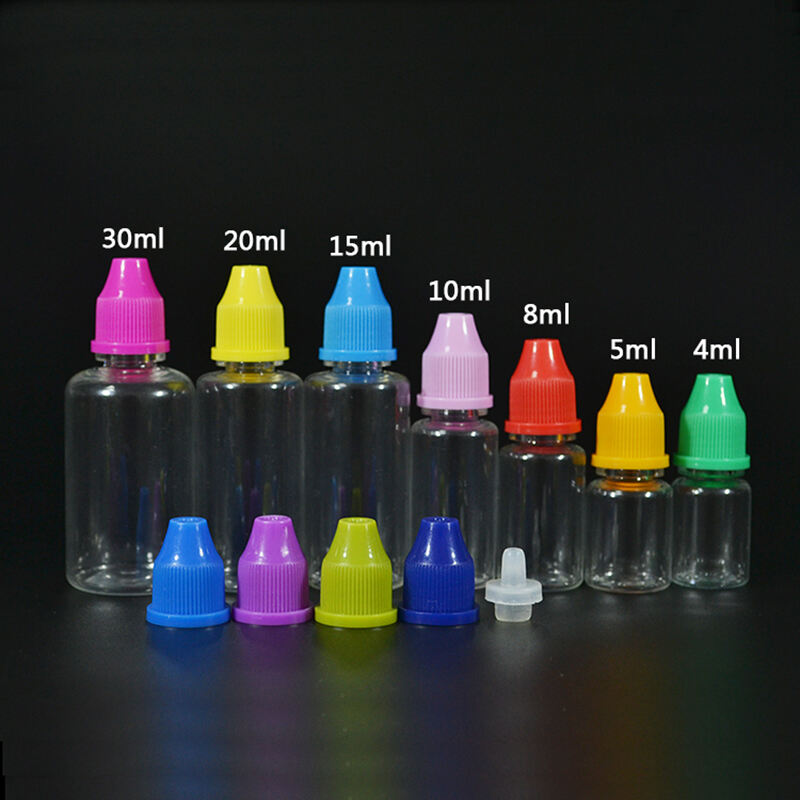
When it comes to packaging chemicals, choosing the right type of bottle is very important. Two popular types are HDPE and PET bottles. Both of these materials have their advantages and disadvantages. At Weinuo, we understand that making the right choice can help keep your products safe and effective. We will take a closer look at HDPE and PET bottles to see how they differ and how they stand up to chemicals.
What Are the Key Differences Between HDPE and PET Bottles for Chemical Packaging?
HDPE, or High-Density Polyethylene, is a strong and durable plastic. It is often used for things like milk jugs and detergent containers. One of the main points about HDPE is that it is resistant to impact and can handle rough treatment. This makes it a great choice for chemicals that need protection during shipping and handling. On the other hand, PET, or Polyethylene Terephthalate, is known for being clear and lightweight. You might find PET bottle in soft drink packaging. While PET is good for many products, it is not as strong as HDPE. For chemicals, HDPE is usually preferred because it can resist many harsh substances.
Another key difference is how these materials react to heat. HDPE can handle higher temperatures without changing shape or breaking down. This can be important if the chemicals inside the bottle generate heat. PET, however, can warp if it gets too hot, which is not ideal for chemical storage. Also, HDPE bottles usually provide a better seal because they can handle pressure better than PET. This helps prevent leaks, which is crucial when dealing with chemicals that could be harmful if spilled.
How Do HDPE and PET Bottles Compare in Terms of Chemical Resistance?
When it comes to chemical resistance, HDPE is often the winner. It can resist a lot of different chemicals, such as acids and bases. This makes it suitable for storing substances that might otherwise break down weaker materials. For example, if you are packaging a strong cleaning agent, HDPE would be the better choice. It can keep the cleaning agent safe inside without reacting to it.
PET, while it is a good material for many uses, does not have the same level of chemical resistance. It can break down when exposed to certain chemicals, which could lead to leaks or contamination. For instance, if you were to store a solvent in a PET bottle, it might cause the bottle to degrade over time. This could be dangerous if the solvent leaks out.
In summary, when choosing between HDPE and PET bottles for chemical packaging, consider what you are putting inside. HDPE is generally more protective and can handle harsh chemicals better than PET. At Weinuo, we want to help you find the best packaging solution for your needs. By understanding the differences between these two types of bottles, you can make a smart choice that keeps your products safe and effective.
How to Ensure Quality and Safety in HDPE and PET Bottles for Chemical Packaging?
When using HDPE (High-Density Polyethylene) and PET (Polyethylene Terephthalate) bottles for packing chemicals, it is very important to think about safety and quality. Weinuo knows that these bottles must be made well so that the chemicals inside do not leak or become dangerous. First, it's crucial to choose the right materials. HDPE is strong and can handle many chemicals without breaking down. PET is also reliable, but it is better for products that are not too harsh. Weinuo checks each bottle to ensure it meets safety standards. This means doing tests to see if the bottles can hold the chemicals safely and for a long time.
Another important step is to make sure the bottles are properly sealed. A good seal keeps the chemicals inside and prevents any spills. Weinuo uses special caps and seals that fit tightly to ensure nothing leaks. It is also important to keep the bottles away from heat and sunlight, as this can change the way the HDPE bottles work. Storing them in a cool, dark place helps keep the chemicals safe.
Labeling is also an important part of safety. Each bottle should have clear labels that tell what is inside and how to handle it. Weinuo makes sure that all bottles are labeled correctly so that anyone who uses them knows the right way to handle the chemicals. This helps prevent accidents.
Lastly, training is key. Everyone who works with these bottles should know how to use and store them safely. Weinuo believes that teaching workers about safety can prevent many problems. By focusing on these areas choosing the right materials, sealing the bottles well, labeling them, and providing training Weinuo ensures that HDPE and PET bottles are safe and high-quality for chemical packaging.
What Trends Are Shaping the Future of HDPE and PET Bottles in Chemical Packaging?
The world of packaging is changing all the time, especially for HDPE and PET bottles used in chemical packaging. One big trend is the focus on being more eco-friendly. Weinuo understands that people want to use materials that are better for the planet. This means creating bottles that can be recycled easily. Both HDPE and PET can be recycled, but companies are now looking for ways to make the recycling process even better. For example, some are using recycled materials to make new bottles. This is known as "post-consumer recycled content." Weinuo is working on using more of these recycled materials in our bottles to help reduce waste.
Another trend is the use of technology in packaging. Smart labels and QR codes are becoming popular. These allow customers to scan the bottle with their phone to get more information about the chemicals inside. Weinuo is exploring ways to add this technology to our bottles to make it easier for people to know how to use the products safely. This technology can also help track where the bottles go, making it easier to manage supplies.
Health and safety regulations are also shaping the future of these bottles. Governments are making stricter rules about how chemicals should be packed. Weinuo is always keeping an eye on these changes to ensure our bottles meet all safety standards. This helps build trust with customers who want to make sure they are using safe products.
Lastly, there is a trend towards customization. Companies want bottles that fit their specific needs, whether that means different sizes or shapes. Weinuo is ready to work with customers to create the perfect bottle for their chemical packaging needs. By keeping up with these trends being eco-friendly, using technology, meeting regulations, and offering customization Weinuo is leading the way in the future of HDPE and PET bottles for chemical packaging.
How to Maximize Efficiency with HDPE vs. PET Bottles in Your Supply Chain?
When it comes to using HDPE and PET bottles in a supply chain, efficiency is very important. Weinuo believes that the right choices can help save time and money while keeping products safe. First, businesses should think about the type of chemicals they are packaging. HDPE is great for many harsh chemicals, while PET works better for lighter ones. By choosing the right bottle for the right job, companies can avoid problems down the line. This means fewer leaks and less waste, which is good for both the environment and the bottom line.
Next, it is essential to look at the production process. Weinuo focuses on making bottles quickly and efficiently. This means using machines that work well and training workers to do their jobs right. The faster and more accurately HDPE dropper bottle are made, the quicker they can be sent out to customers. This helps keep everyone happy because they get what they need on time.
Transporting the bottles is another vital step in the supply chain. Weinuo designs bottles to be lightweight, which makes shipping easier and cheaper. If bottles are too heavy, it can cost more to send them to customers. By using HDPE and PET wisely, Weinuo helps businesses save money on transportation costs.
Finally, communication is key. Weinuo believes in talking to customers about their needs. If a customer needs a different size or shape of bottle, Weinuo can work quickly to make changes. This flexibility means companies can respond to market demands faster, making the whole supply chain smoother. By focusing on choosing the right materials, improving production, optimizing transportation, and maintaining open communication, Weinuo helps businesses maximize efficiency with HDPE and PET bottles in their supply chains.
Table of Contents
- What Are the Key Differences Between HDPE and PET Bottles for Chemical Packaging?
- How Do HDPE and PET Bottles Compare in Terms of Chemical Resistance?
- How to Ensure Quality and Safety in HDPE and PET Bottles for Chemical Packaging?
- What Trends Are Shaping the Future of HDPE and PET Bottles in Chemical Packaging?
- How to Maximize Efficiency with HDPE vs. PET Bottles in Your Supply Chain?